Why invest in agriculture
Everyone has to eat. The world's population is growing, incomes in emerging economies are rising, and as people become wealthier they eat more protein, more processed food and a wider variety of crops, all of which take more land and more input to produce. Meanwhile good farmland is finite and climate change is making yields less predictable in many regions.
That combination — steady long-term demand and constrained supply — is why farming has attracted institutional investors for decades. Agriculture also behaves differently from stocks and bonds. Its main drivers are weather, harvest size and crop prices, which have little to do with interest rates or company earnings, so it can diversify a portfolio.
Individuals rarely have access. Funding a farm season needs knowledge of local conditions, relationships with growers and buyers, and a way to monitor what happens in the field. This service provides those things.
How crop-cycle funding works
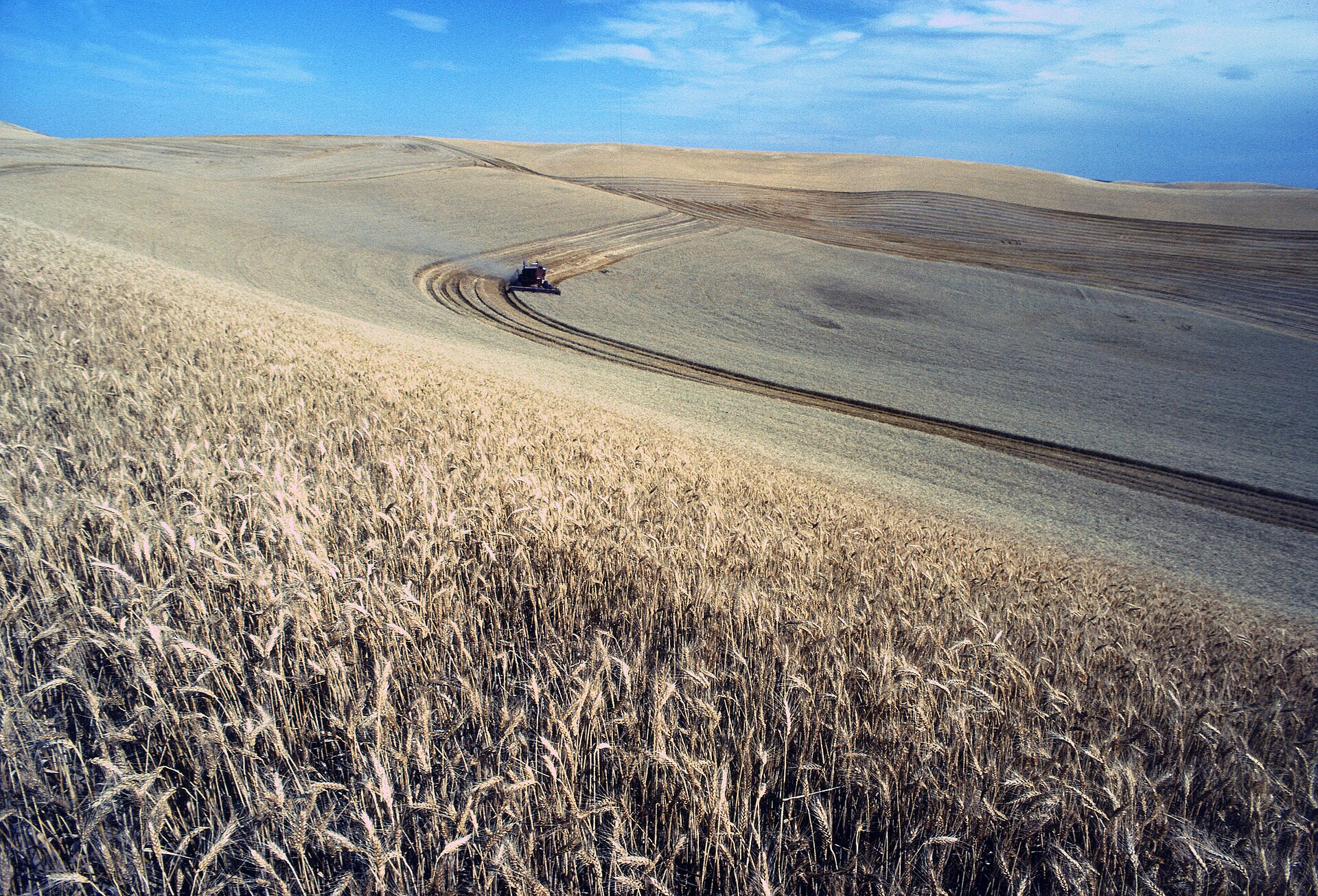
Many farms are productive but short of working capital at the start of the season. They need money for seed, fertiliser, crop protection, fuel, labour and sometimes machinery rental before a single kilo can be sold. Traditional credit can be expensive or unavailable, particularly for smaller producers.
Investor capital is deployed to fund these costs for a specific crop and season. Inputs are bought, often directly from suppliers rather than handing cash to the grower. Where possible, a route to market is arranged in advance — a contract with a buyer, a cooperative or a processor — to reduce price risk.
After harvest the crop is stored and sold, costs are repaid, fees are deducted and the remainder is shared. The cycle is short, typically between four and twelve months, which means capital is recycled quickly and outcomes are clear.
Farmland holdings
For longer horizons the service holds farmland. Land earns income by leasing to farmers, who pay rent, and can rise in value over time as demand for productive land grows. Land does not suffer from depreciation in the way machinery does and has historically held its value well against inflation.
Farmland is slow-moving. It is not valued daily, sale takes time, and a poor tenant or a long drought can reduce income. Holding periods are accordingly longer and returns arrive as lease income and a final sale.
Commodity exposure
Some capital can be allocated to exchange-traded futures on crops such as wheat, corn, soybeans, coffee, cocoa and sugar. These give direct exposure to price moves without owning land or funding a farm.
Prices of agricultural commodities can swing quickly on weather forecasts, crop reports and export policy. A freak frost in Brazil or a drought in the US Midwest can move global prices within hours. This sleeve is capped because of its volatility.
How we choose producers
Farms and cooperatives are assessed on track record, soil and water, management quality, storage and the strength of their buyers. We look at multi-year yields, not one good season, and prefer producers who have already borrowed and repaid. Site visits are carried out and independent agronomists are used where appropriate.
Diversification is built in. Capital is spread across several producers, crops and regions so that a single hailstorm, flood or pest outbreak does not define the result for the pool.
Monitoring and insurance
Throughout the season, field agents visit sites and satellite imagery tracks crop health, so problems such as drought stress, flooding or disease are visible early. Reports are published to investors at set points.
Where available, crops are covered by insurance against specified perils such as drought, flood, hail or fire. Cover is rarely complete: it usually protects against a loss of yield beyond a threshold and does not cover price falls. It reduces risk, but it does not eliminate it.
What it covers
Grains
Wheat, maize and rice, the staples of the global food system. Large, liquid markets, with prices heavily influenced by weather and export policy.
Oilseeds
Soybeans, sunflower and palm. Used for cooking oil, animal feed and biofuels, so prices are linked to both food and energy markets.
Soft commodities
Cocoa, coffee, sugar and cotton. Often grown in a handful of countries, so local weather events can move world prices.
Horticulture
Fruit and vegetables for local and export markets. Shorter cycles and higher margins, but perishable and sensitive to transport.
Farmland
Productive agricultural land leased to operators. Long-term, income-producing and illiquid.
Storage and processing
Facilities that store, dry or process crops. They earn fees and reduce post-harvest losses, which are a significant source of waste.
What drives the outcome
- Weather — drought, flood, frost and heat directly change yield.
- Commodity prices for the crop at the time of sale, which can differ from the price at planting.
- Input costs, especially fertiliser, fuel and seed.
- Pests, disease and post-harvest losses during storage and transport.
- Trade policy, export bans and currency movements in producing countries.
Who it is for
- Investors who want exposure to real production and food demand rather than financial instruments.
- Those seeking diversification away from stock and bond markets.
- People who accept that crops can fail and that outcomes vary from season to season.
- Not suitable for anyone who needs a guaranteed return or immediate access to their capital.
How the process works in practice
- Selecting producersFarms and cooperatives are assessed on yield history, soil, water access, management and buyer relationships.
- Funding the seasonCapital is deployed against a specific crop cycle, with inputs purchased and a pre-arranged route to market where possible.
- MonitoringField agents and satellite imagery track planting, growth and harvest progress, and flag problems early.
- Sale and settlementThe harvest is stored and sold to buyers or traded, and proceeds net of costs and fees are distributed to investors.
Your journey as an investor
- PlantingYour capital is deployed to the season's inputs for your chosen crop pool.
- Growing seasonMonthly or seasonal updates with field photographs, satellite indicators and any issues.
- HarvestCrop is gathered, stored and sold. Yield and sale price are reported.
- SettlementCosts and fees are paid and proceeds are distributed to investors.
Questions investors ask
Is my money tied to one farm?
It is spread across several producers in the pool, reducing dependence on any one farm.
What if the harvest fails?
You share in the loss. Insurance and diversification reduce this risk but do not remove it.
When do I get paid?
After the harvest is sold and costs are settled, which is typically at the end of the cycle you selected.
What is the biggest risk?
Weather. Drought, flood, frost and heat can reduce yield or destroy a crop. The second is price: a good harvest can still lose money if prices fall before sale.
Are the farms real and verifiable?
Yes. Each producer is visited and each programme is reported with location, crop, area and results. Full documentation is available on request.
Do you fund smallholders or large farms?
Both, through different programmes. Smallholder funding is usually organised through cooperatives, which spread risk and provide a route to market.
Why are some programmes in emerging markets?
Because that is where yield improvement and financing gaps are greatest. It also adds currency, political and enforcement risk, which are disclosed in each brief.
Does agriculture help with inflation?
Food prices often rise with general inflation, so crop income can be a partial hedge. The link is not reliable in any single season.
Glossary
- Yield
- The amount of crop produced per hectare.
- Offtake agreement
- A contract in which a buyer agrees in advance to purchase a crop at specified terms.
- Working capital
- Money used for day-to-day costs, such as seed and labour, before sales are made.
- Post-harvest loss
- Crop lost to spoilage, pests or damage between harvest and sale.
- Hectare
- A unit of land area equal to 10,000 square metres, about 2.5 acres.